
Deep Amazon vs Tena Region
There are few experiences as unique as those you can have in the Ecuadorian Amazon. This magical region has the greatest biodiversity on the planet and its uniqueness and exuberance

Colada morada, a cherished drink in Ecuador, is much more than a seasonal beverage—it is a symbol of deep-rooted tradition that connects generations. Typically enjoyed during the Day of the Dead, colada morada is prepared with a variety of fruits, spices, and corn flour, making it a flavorful and colorful representation of Ecuadorian culture. This blog delves into the history and significance of colada morada in Ecuador, exploring its symbolic pairing with guaguas de pan and how both have become cornerstones of cultural identity. We will also explore the evolution of this beloved drink and recommend some of the best places to enjoy an authentic colada morada experience.

The origins of colada morada in Ecuador date back to pre-Columbian times, deeply rooted in the indigenous traditions of honoring the dead. Before the arrival of the Spanish, indigenous groups such as the Quitu-Cara and Puruhá celebrated rituals to honor their ancestors, offering food and drink as part of their reverence for the afterlife. These ceremonies included early forms of colada morada, made from maize and local fruits, symbolizing the connection between the physical and spiritual worlds. The drink was used as a ceremonial offering, believed to nourish the spirits of the deceased during their journey to the afterlife.
With the Spanish colonization came the introduction of Catholic traditions, and over time, these indigenous practices blended with the Catholic celebration of the Day of the Dead. This fusion gave birth to the modern colada morada, now prepared with ingredients like purple corn, blueberries, and spices. Today, colada morada is a symbol of Ecuador’s cultural identity, a representation of both its pre-Columbian heritage and its adaptation to new traditions.
The tradition of enjoying colada morada alongside guaguas de pan is a deeply symbolic practice in Ecuador’s Day of the Dead celebrations. While colada morada represents the essence of life and the cycle of death and rebirth through its rich ingredients, guaguas de pan, which are bread shaped like infants, symbolize the souls of the departed. This pairing represents the connection between the living and the dead, a way for families to honor and remember their ancestors.
Guaguas de pan are often decorated with vibrant colors, and their preparation is a communal event that brings families together, reflecting the values of unity and remembrance. The act of sharing these foods is a tribute to those who have passed, a way to spiritually nourish them on their journey in the afterlife. This pairing of colada morada and guaguas de pan highlights the strong cultural and spiritual ties that Ecuadorian communities maintain with their ancestors during this time of the year.

The ingredients of colada morada are a true reflection of Ecuador’s rich agricultural diversity and cultural heritage. This traditional drink is made with a unique combination of fruits, spices, and grains, each contributing to its distinct flavor and symbolic meaning. The key ingredient, purple corn, gives colada morada its vibrant color and represents the deep connection between the people and the land. Indigenous fruits like naranjilla, babaco, and mortiño (Andean blueberries) provide a sweet and tangy flavor, while spices such as cinnamon, cloves, and allspice add warmth and depth to the drink.
These ingredients are not just chosen for their taste; they carry significant cultural meaning, representing abundance and the cycle of life. The mix of traditional and local flavors makes colada morada a celebration of Ecuadorian identity, bringing together ancient customs with contemporary tastes. Each sip of colada morada is a tribute to the country’s diverse landscapes and its long-standing traditions.
Colada morada holds a special place in Ecuadorian communities, particularly during the Day of the Dead celebrations. More than just a traditional beverage, it serves as a powerful symbol of cultural identity and community bonds. Preparing and sharing colada morada is a collective experience that brings families together, fostering a sense of unity and remembrance. For many, the act of preparing colada morada is a way to honor their ancestors, keeping alive the traditions passed down through generations.
In rural and urban areas alike, the communal preparation of colada morada strengthens the ties between people, reinforcing shared values of family, respect, and connection to one’s roots. Festivals, community gatherings, and family meals centered around colada morada create moments for reflection and celebration. This tradition allows Ecuadorian communities to bridge the gap between past and present, maintaining cultural continuity while adapting to the modern world.

Over time, colada morada has transformed from a simple ancestral offering into a beloved tradition that continues to evolve with each generation in Ecuador. While the core ingredients and cultural significance remain, the way it is prepared and enjoyed has adapted to modern times. Families have passed down recipes, each adding their own touch, from incorporating new fruits to adjusting the sweetness to suit current tastes.
Despite these changes, the essence of colada morada has stayed the same—a drink deeply connected to Ecuadorian identity and the celebration of life and death. The preparation of colada morada continues to be a way for families to connect across generations, as grandparents teach younger members the art of making this symbolic beverage. In modern Ecuador, colada morada is not just found in homes, but also in restaurants and markets, making it accessible to everyone, yet preserving its traditional roots. The evolution of colada morada reflects the adaptability of Ecuadorian culture while maintaining respect for its history.
If you’re looking to experience authentic colada morada in Ecuador, there are several places where this traditional drink is celebrated and prepared with care. One of the best places to enjoy colada morada is at local markets, such as Quito’s Mercado Central or Otavalo Market, where vendors prepare this drink using recipes passed down through generations. These bustling markets provide not only a taste of the authentic beverage but also a rich cultural experience.
Restaurants across Ecuador, especially during the Day of the Dead celebrations, offer colada morada alongside traditional guaguas de pan. Establishments in Quito’s historic center, like Café Plaza Grande and La Ronda, are renowned for serving this festive drink in a traditional setting. Additionally, community gatherings and festivals in small towns across the country provide an excellent opportunity to try homemade colada morada, offering an authentic taste of Ecuadorian culture and tradition.
Colada morada stands as a timeless symbol of Ecuador’s cultural richness, weaving together history, tradition, and community bonds. Its deep roots in pre-Columbian rituals and its evolution through generations highlight the enduring connection between Ecuadorians and their heritage. The pairing of colada morada with guaguas de pan during the Day of the Dead is more than a festive custom; it is a celebration of life and a respectful tribute to those who have passed away. This tradition has not only survived but thrived, evolving while maintaining its essence in both rural and urban settings. As Ecuadorian families continue to prepare and share colada morada, they are preserving a vital piece of their identity, ensuring that future generations understand and appreciate this rich heritage. Whether at a family table, a bustling market, or a traditional restaurant, colada morada remains a powerful reminder of Ecuador’s ability to honor the past while embracing the future.
There are few experiences as unique as those you can have in the Ecuadorian Amazon. This magical region has the greatest biodiversity on the planet and its uniqueness and exuberance
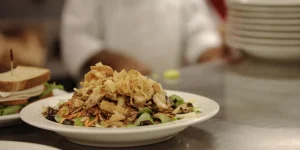
Vegetarian and vegan food choices continue to be trending around the world. In Europe, the European Vegetarian Union (EVU) has registered significant numbers on the consumption of vegetarian and vegan

The amazon rainforest indigenous tribes are a perfect example of how ancestral cultures and traditions can stand the test of time and modernization. The Ecuadorian Amazon, a territory full of